
Tracks
Autonomous Systems
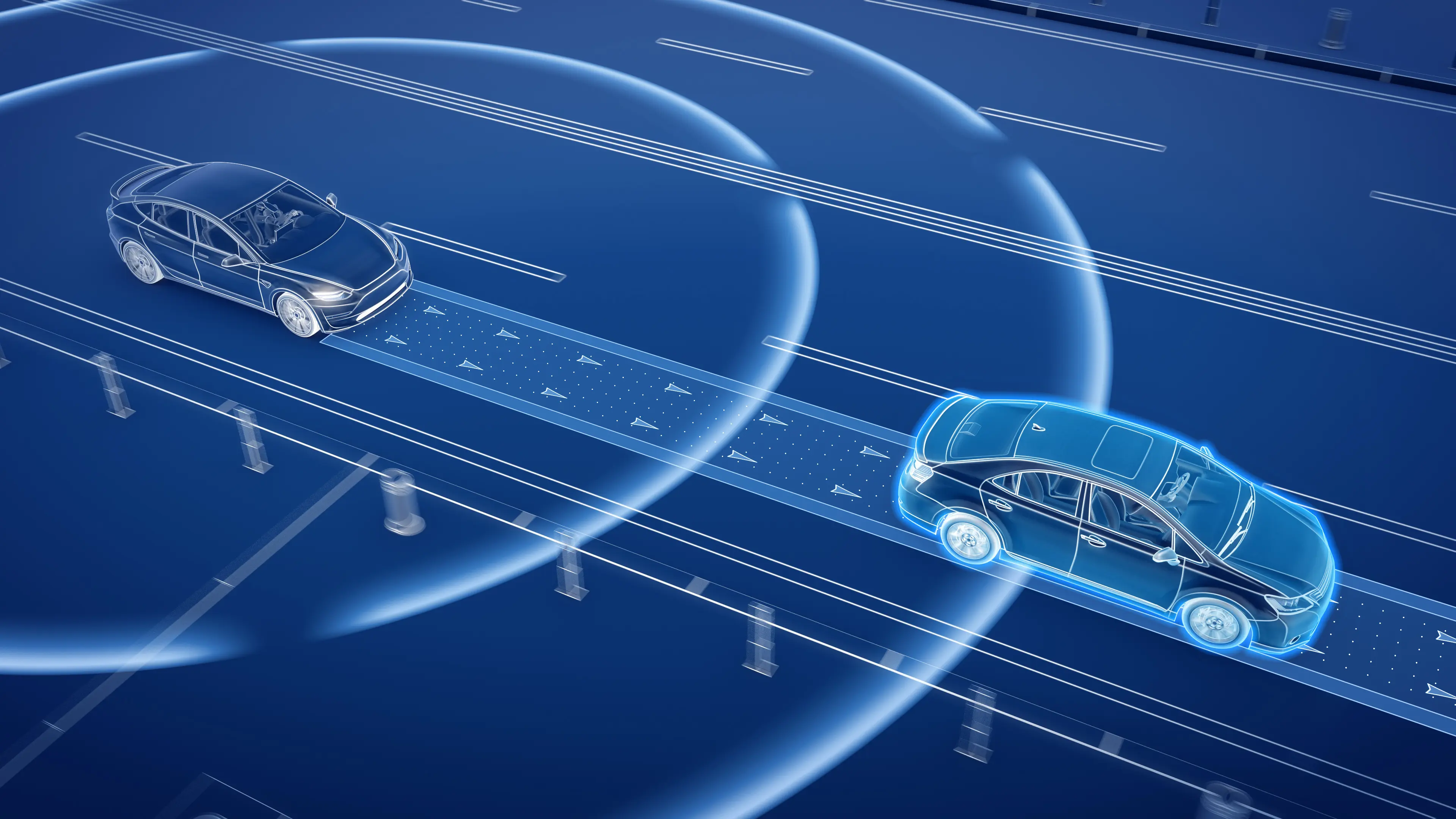
The Autonomous Systems tracks prepare students to design and develop machines capable of independent operation in dynamic environments. Students study the integration of robotics, artificial intelligence, sensors, and control theory to create systems that can perceive their surroundings, make decisions, and act without constant human oversight. The tracks combines mechanical design with advanced algorithms to produce reliable, adaptive, and intelligent machines. Applications of autonomous systems span across industries including self-driving cars, drones, industrial automation, and space exploration. Graduates will gain the ability to work on interdisciplinary teams, develop cutting-edge control architectures, and tackle challenges in safety, efficiency, and human–machine collaboration.
Communications
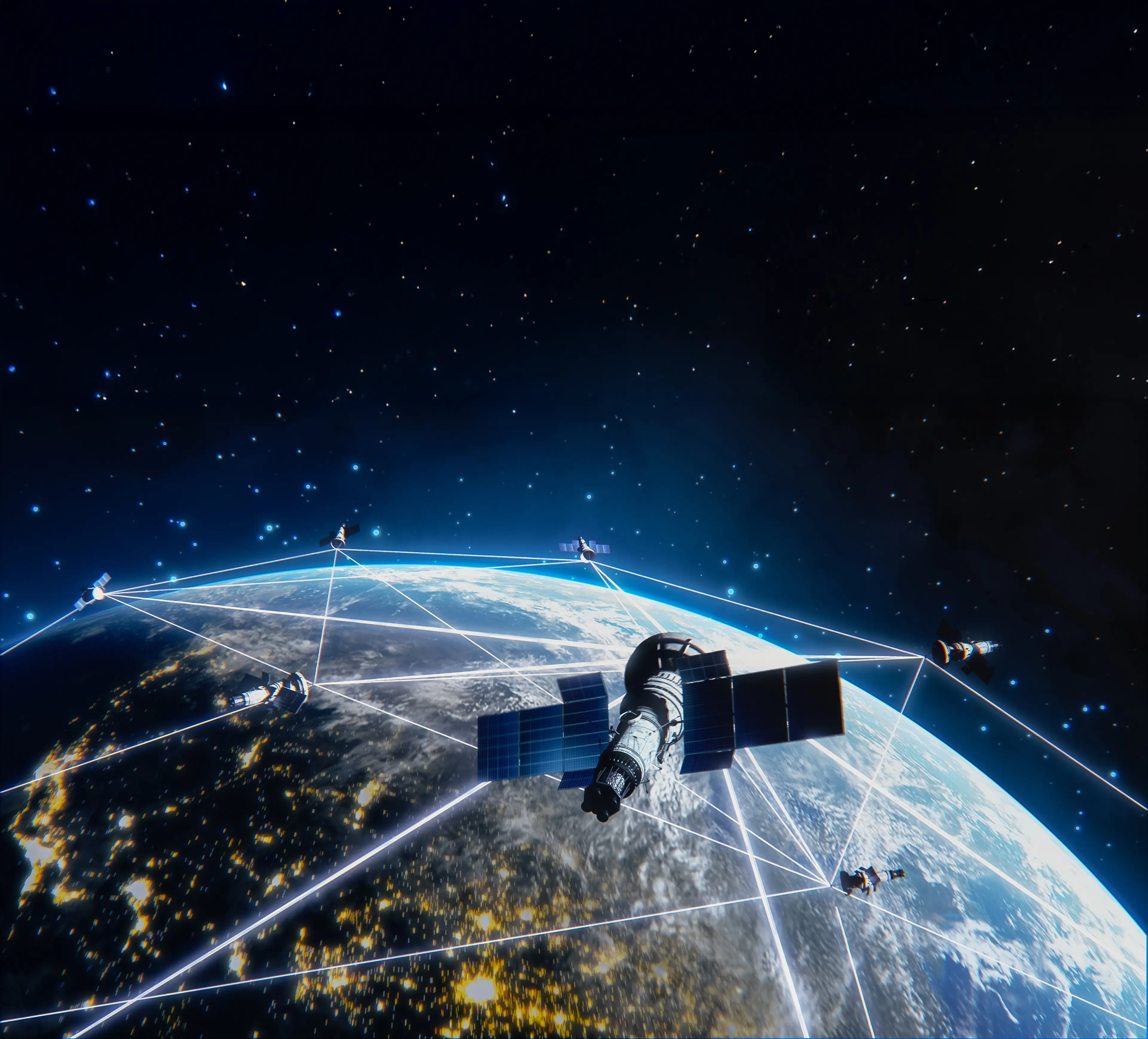
The Communications tracks provide a foundation in how information is transmitted, processed, and secured across different media. Students study both analog and digital communication systems, modulation techniques, error correction, and coding theory. Coursework emphasizes signal integrity, bandwidth efficiency, and system-level design for modern communication networks. Applications range from cellular and satellite networks to optical systems and internet infrastructure. By combining theory with practical projects, students will be prepared to design robust and reliable communication systems that form the backbone of today’s interconnected world.

Cybersecurity
The Cybersecurity tracks prepare students to protect computer systems, networks, and data from evolving threats. Students learn about cryptography, intrusion detection, secure software design, and incident response. Coursework emphasizes both proactive and reactive strategies, balancing technical expertise with ethical and legal considerations in cybersecurity practice. Applications span nearly every industry, from finance and healthcare to government and defense. With global reliance on digital systems continuing to grow, graduates will be prepared to develop and implement robust security solutions, ensuring the confidentiality, integrity, and availability of critical information.
High-Performance Computing
The High-Performance Computing (HPC) tracks prepare students to work with advanced computing architectures that solve large-scale, data-intensive problems. Students learn about parallel programming, distributed systems, GPU computing, and optimization techniques for supercomputers and cloud platforms. Coursework emphasizes both theoretical performance models and practical coding for high-speed computation. Applications of HPC span scientific research, financial modeling, weather prediction, artificial intelligence, and bioinformatics. As demand for large-scale computational power continues to grow, graduates will be prepared to harness advanced systems that drive discovery and innovation across disciplines.
Robotics
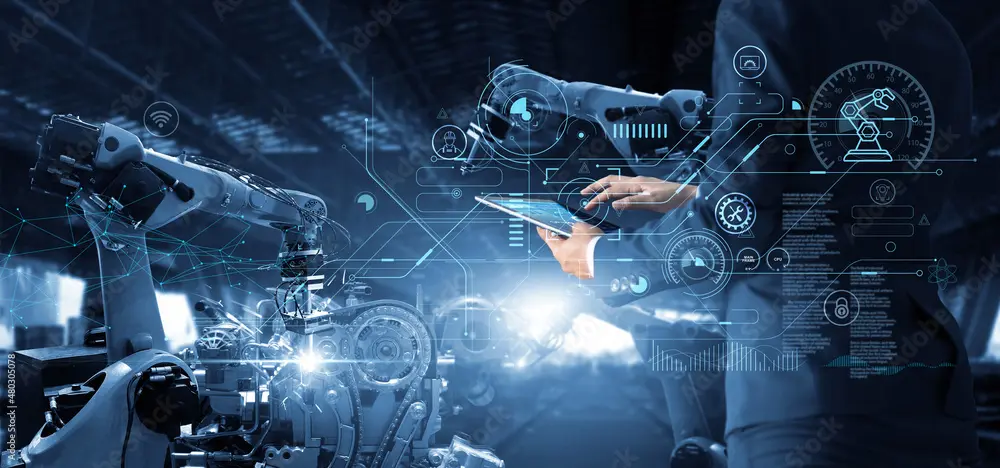
The Robotics tracks explore the interdisciplinary design of intelligent machines that interact with and adapt to their environment. Students learn about mechanical design, sensors, actuators, control systems, and artificial intelligence, integrating knowledge from multiple engineering disciplines. Coursework emphasizes both theory and hands-on projects, giving students experience in building and programming robotic systems. Applications of robotics span manufacturing, healthcare, space exploration, agriculture, and service industries. As automation continues to transform global industries, graduates of this emphasis will be prepared to develop innovative robotic solutions that enhance productivity, safety, and quality of life.
Artificial Intelligence
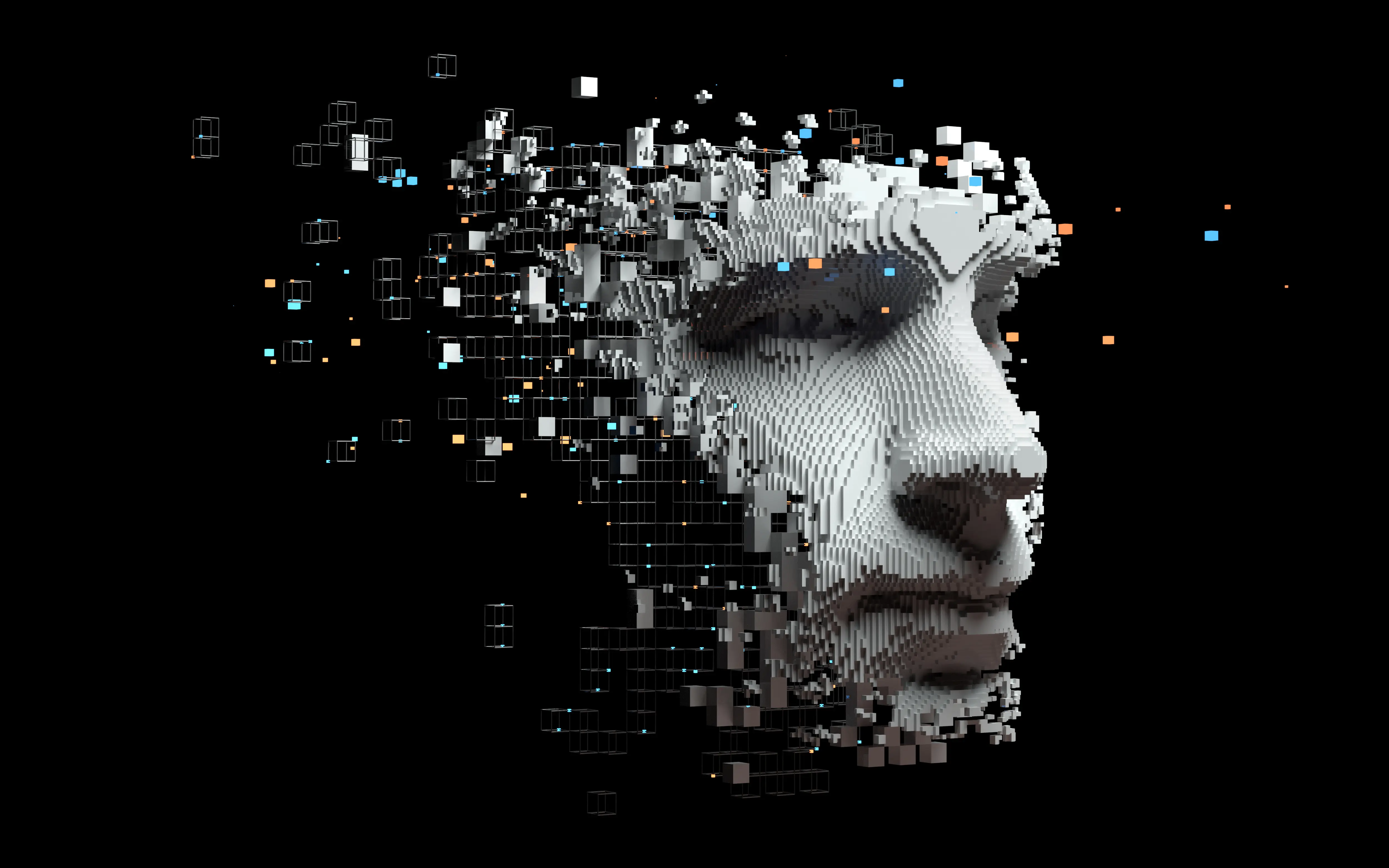
The Artificial Intelligence tracks explore the design of intelligent systems that can learn, reason, and make decisions. Students study foundational AI topics including search algorithms, knowledge representation, natural language processing, and intelligent agents. Coursework emphasizes both theoretical foundations and practical applications of AI across real-world domains. AI is transforming industries such as healthcare, finance, manufacturing, and transportation. From chatbots and recommendation systems to advanced robotics and autonomous systems, graduates of this emphasis will be prepared to apply AI techniques to solve complex problems and drive innovation in an increasingly data-driven world.

Energy
The Energy tracks focus on the generation, storage, and efficient use of power to meet the needs of modern society. Students study conventional and renewable energy sources, power electronics, and energy efficiency strategies. Coursework emphasizes sustainable design, environmental impact, and the transition toward cleaner and more resilient energy systems. Applications of energy engineering span utilities, manufacturing, transportation, and green technologies. With global challenges in climate change and energy demand, graduates will be prepared to contribute to innovations in energy production and management, ensuring a sustainable future.

Biotechnology
The Biotechnology tracks explore the intersection of biology and engineering to develop technologies that benefit medicine, agriculture, and the environment. Students study genetic engineering, biomaterials, bioprocessing, and bioinformatics, with coursework emphasizing the application of engineering methods to biological systems. Applications of biotechnology include pharmaceuticals, food production, environmental remediation, and healthcare innovation. By blending life sciences with engineering design, graduates will be prepared to contribute to breakthroughs that improve quality of life and address global challenges in health and sustainability.