
High-Performance Computing
Working with advanced computing architectures to solve large-scale, data-intensive problems.
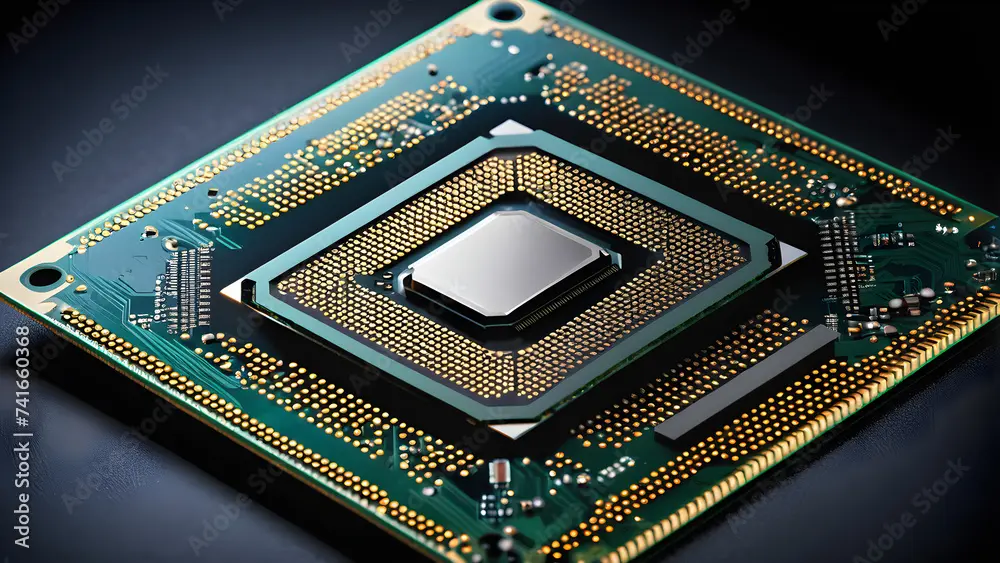
FPGA Design
The FPGA Design track focuses on programming and optimizing field-programmable gate arrays (FPGAs) for custom hardware acceleration and digital system design. Students learn hardware description languages, logic synthesis, and verification techniques to implement high-performance, reconfigurable computing systems. Coursework combines theoretical foundations with hands-on design projects. FPGAs are widely used in industries such as telecommunications, aerospace, defense, and machine learning acceleration. Graduates of this emphasis will gain the skills to design efficient digital systems that balance flexibility, performance, and power efficiency, making them valuable contributors to cutting-edge hardware solutions.
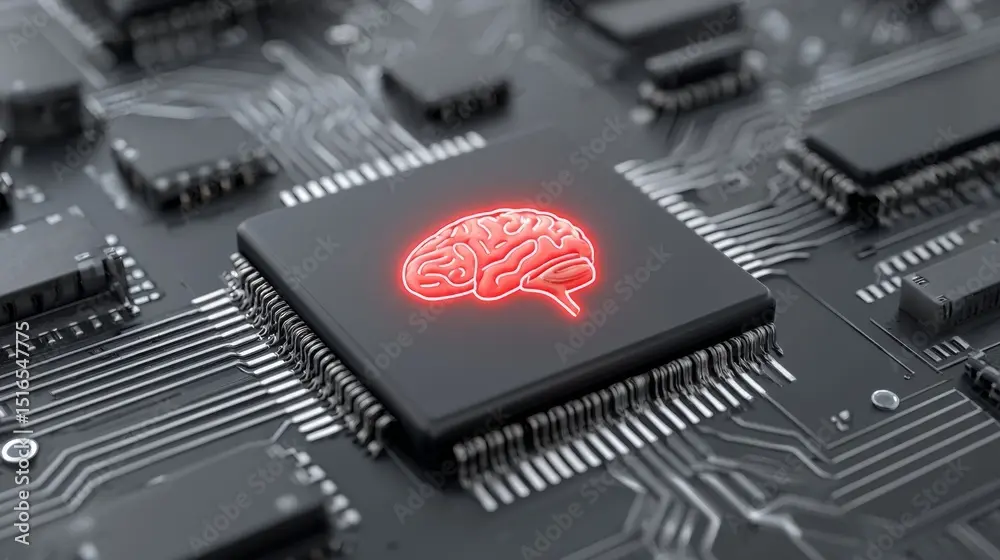
ASIC Design
The ASIC Design track explores the development of application-specific integrated circuits tailored for high-performance, low-power, or specialized applications. Students learn about digital design methodologies, simulation, verification, and fabrication processes. Coursework emphasizes the full lifecycle of ASIC development, from specification and design to testing and optimization. ASICs are critical in industries such as mobile devices, networking, cloud computing, and consumer electronics. By mastering the design of custom chips, graduates will be prepared to contribute to innovations in hardware that power the world’s most advanced technologies.

Computer System Reliability
The Computer System Reliability track prepares students to design systems that are fault-tolerant, safe, and resilient under failure conditions. Students study redundancy, error detection and correction, system monitoring, and recovery mechanisms. Coursework emphasizes both hardware and software approaches to ensuring dependable system operation. Reliable computing systems are essential in critical applications such as healthcare, aviation, automotive systems, and financial services. Graduates will be prepared to create robust architectures that minimize downtime and maintain safety, making them valuable contributors in industries where reliability is non-negotiable.

Software Engineering
The Software Engineering track provides students with the principles and practices for developing large-scale, reliable, and maintainable software systems. Students study the full software development lifecycle, including requirements gathering, design, implementation, testing, and deployment. Emphasis is placed on agile methodologies, software architecture, version control, and team collaboration, preparing students to build solutions that meet both technical and user needs. This track is highly versatile, equipping graduates with skills that apply across industries such as technology, finance, healthcare, and defense. With a strong foundation in both programming and engineering design, students will be prepared to create innovative applications, optimize system performance, and adapt to evolving software tools and practices in the professional world.

Quantum Engineering
The Quantum Engineering track introduces students to the principles of quantum mechanics as applied to emerging technologies in computing, communication, and sensing. Students study qubits, quantum gates, entanglement, and error correction, as well as the challenges of building scalable quantum systems. Coursework integrates physics, engineering, and computer science to prepare students for this rapidly evolving field. Quantum technologies promise transformative advances in secure communication, optimization, artificial intelligence, and material science. Graduates of this emphasis will be well-positioned to contribute to cutting-edge research and development in quantum computing and beyond, helping shape the future of information technology.
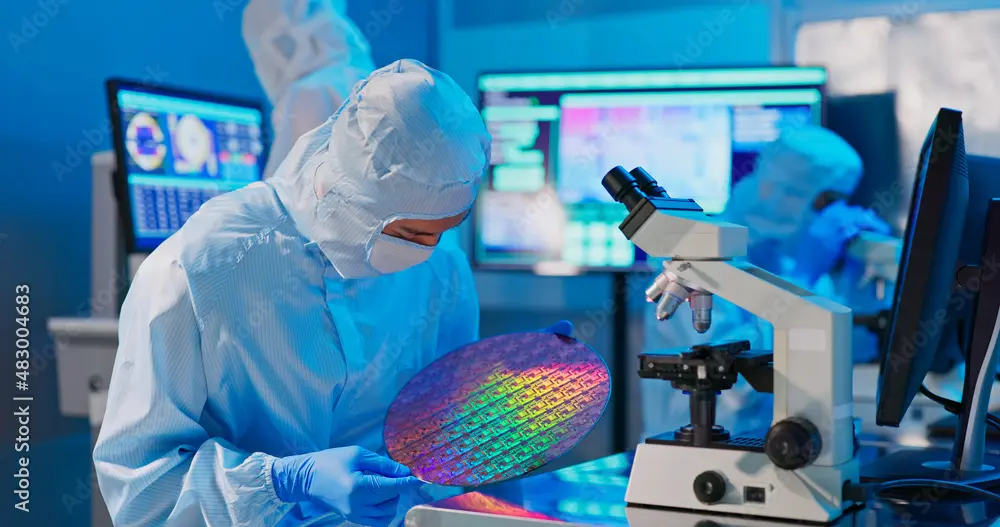
Semi-Conductors
The Semiconductors track explores the physics, materials, and engineering of semiconductor devices that power modern electronics. Students study carrier transport, fabrication techniques, device structures, and the design of integrated circuits. Coursework integrates theory with laboratory experiences in device characterization and materials science. Semiconductors form the backbone of computing, communications, renewable energy, and emerging technologies like quantum computing. This emphasis prepares students to contribute to advances in microelectronics, power electronics, and photonics, ensuring they have the expertise to innovate in one of the most critical fields driving global technological progress.
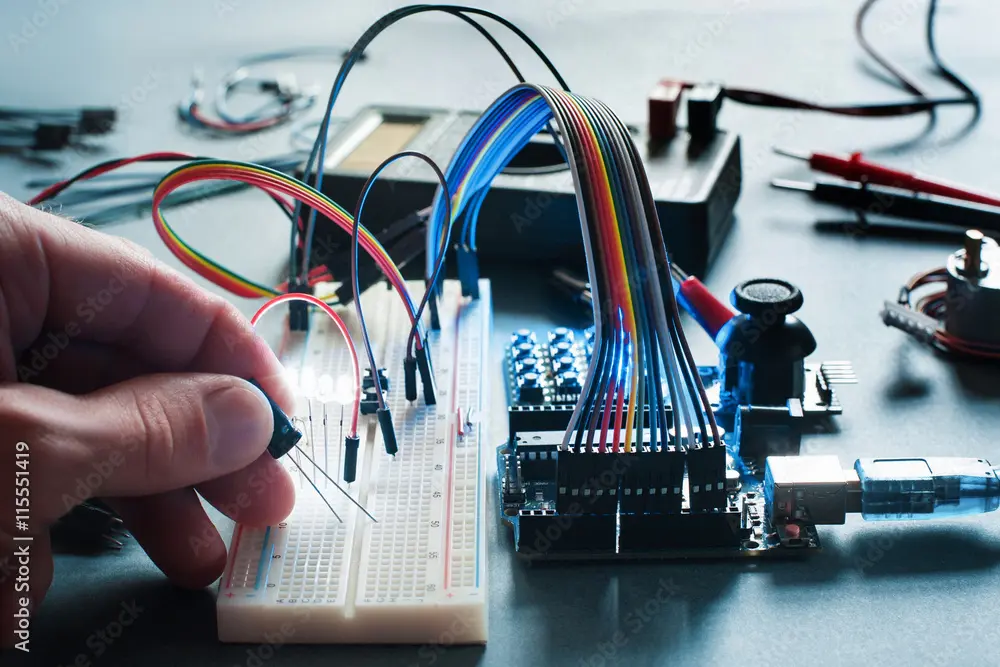
Embedded Systems
The Embedded Systems Programming track focuses on the design and development of software for microcontrollers and specialized computing devices. Students learn to work within hardware constraints, implement real-time operating systems, and program devices that interact directly with sensors and actuators. Coursework emphasizes both low-level programming and system-level integration, bridging the gap between hardware and software design. Embedded systems play a critical role in technologies ranging from consumer electronics and medical devices to automotive systems and aerospace applications. By gaining experience in both coding and hardware interfacing, students will develop the skills to create efficient, reliable, and innovative embedded solutions for a wide variety of industries.

Hardware Acceleration
The Hardware Acceleration track focuses on designing systems that offload computationally intensive tasks from general-purpose processors to specialized hardware. Students study GPUs, FPGAs, and custom architectures that optimize performance for applications such as machine learning, data analytics, and signal processing. Coursework emphasizes system-level integration, performance trade-offs, and energy efficiency. Hardware acceleration is increasingly vital in industries ranging from cloud computing and autonomous systems to biomedical imaging and financial technology. Graduates of this emphasis will be equipped to design high-performance systems that meet the growing demand for speed and efficiency in data-driven applications.