
Communications
Getting information from one place to another, reliably and securely.

Wireless Networking
The Wireless Networking track explores the design and implementation of wireless communication systems that connect devices across local, metropolitan, and wide-area networks. Students learn about protocols, architectures, and standards that enable seamless mobile connectivity, from Wi-Fi to emerging 5G and 6G systems. Emphasis is placed on network security, scalability, and interoperability. With wireless networking at the core of global communication, applications include mobile devices, smart cities, healthcare, and industrial automation. Graduates will be prepared to innovate in areas such as next-generation cellular networks, IoT connectivity, and resilient wireless infrastructure.

Wireless Communications
The Wireless Communications track focuses on the principles and applications of transmitting information without physical connections. Students study topics such as radio wave propagation, modulation schemes, antenna design, and advanced techniques like multiple-input multiple-output (MIMO). Coursework emphasizes both theoretical modeling and practical design of wireless communication systems. Applications span mobile phones, satellite links, military communications, and broadband wireless services. As demand for high-speed, low-latency connectivity continues to grow, graduates will be equipped to contribute to advancements in wireless technologies that keep people and devices connected worldwide.

Array Signal Processing
The Array Signal Processing track teaches students how to analyze and interpret signals collected by multiple sensors arranged in arrays. Students explore concepts such as beamforming, direction-of-arrival estimation, and spatial filtering, with applications in radar, sonar, communications, and biomedical imaging. Coursework integrates theory, algorithms, and hands-on computational tools. This field has growing importance in technologies such as 5G wireless, acoustic sensing, and remote sensing. By mastering advanced signal processing techniques, students will be prepared to tackle challenges in environments where extracting accurate information from complex signals is critical.

Secure Digital Communication
The Secure Digital Communication track focuses on methods for ensuring reliable and confidential data exchange. Students learn about digital encoding, error detection and correction, encryption, authentication, and privacy-preserving techniques. The program emphasizes the intersection of communication theory with cybersecurity practices. Applications include military and government communications, financial transactions, satellite links, and wireless networks. With data security a top concern in global communications, graduates will be well-prepared to design systems that balance performance with robust protection against adversarial threats.

Optical Engineering
The Optical Engineering track explores the science and engineering of light-based systems. Students study the behavior of light, optical materials, and devices such as lenses, lasers, and fiber optics. Coursework emphasizes imaging, photonic communication, and optical signal processing, bridging theory with hands-on laboratory design. Applications range from telecommunications and medical imaging to defense, manufacturing, and space exploration. As photonics plays a growing role in modern technology, graduates of this emphasis will be equipped to design and innovate in areas where optical solutions drive progress.
Circuits
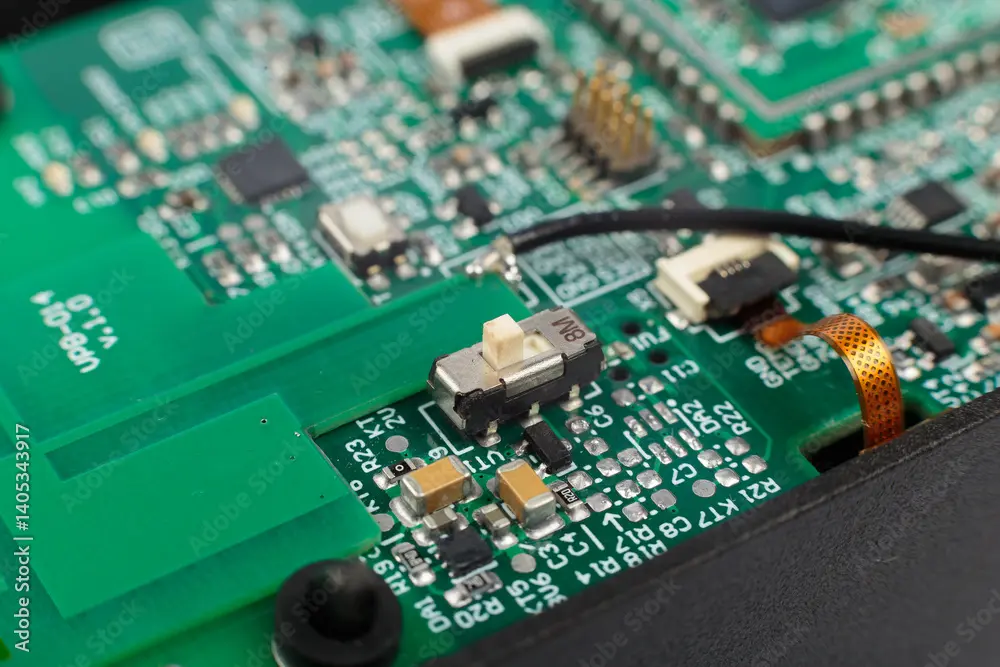
The Circuits track introduces students to the foundation of electrical and electronic engineering. Students learn to design, analyze, and implement analog and digital circuits, covering topics such as resistive and reactive components, operational amplifiers, logic circuits, and integrated systems. Emphasis is placed on understanding how circuits underpin the performance and functionality of modern technology. Practical applications include everything from consumer electronics and telecommunications to renewable energy systems and biomedical devices. Through lab-based experiences and design projects, students gain hands-on skills in circuit design and testing, preparing them for careers in industries that rely on efficient and reliable electronic systems.
Optoelectronics
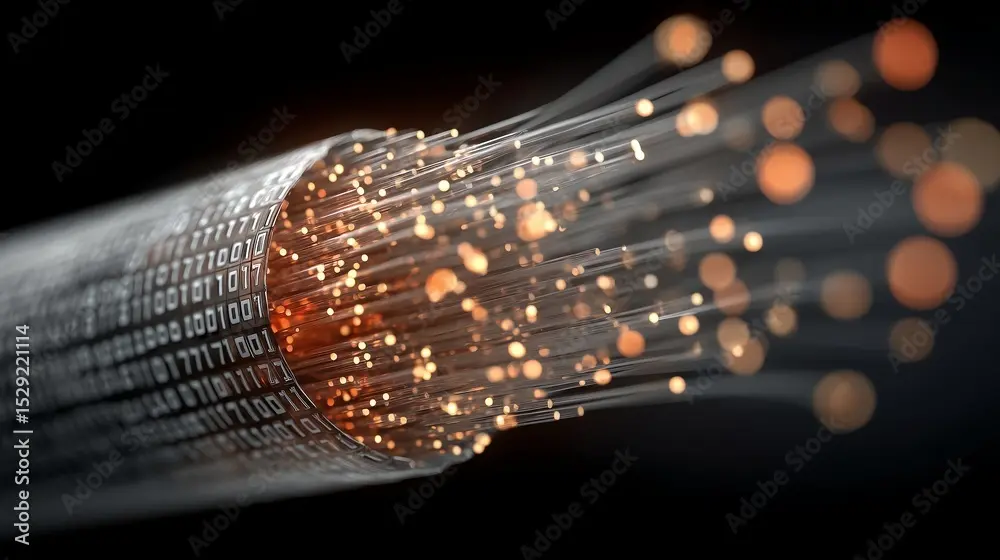
The Optoelectronics track focuses on devices and systems that convert electrical signals into light and light into electrical signals. Students study the physics and design of lasers, light-emitting diodes (LEDs), solar cells, and photodetectors, as well as their integration into communication and sensing systems. Coursework emphasizes both theoretical modeling and practical applications of optoelectronic technologies. Optoelectronics underpins many modern innovations, from fiber-optic communications and renewable energy systems to medical diagnostics and consumer electronics. With expertise in this field, graduates will be prepared to contribute to advancing technologies that rely on efficient light-based energy conversion and high-speed information transfer.

Radar
The Radar track explores the principles and applications of radio detection and ranging systems. Students learn about electromagnetic wave propagation, signal processing, target detection, tracking algorithms, and system design. Coursework combines theoretical concepts with hands-on labs and simulations to provide a comprehensive understanding of radar technology. Applications of radar extend across defense, aviation, meteorology, automotive safety, and remote sensing. As radar becomes increasingly integrated into modern infrastructure—such as self-driving vehicles and weather monitoring—graduates will be well-equipped to contribute to innovation and research in this evolving field.

Smart Homes
The Smart Homes track focuses on the integration of automation, connectivity, and artificial intelligence in residential environments. Students study technologies such as IoT devices, energy management systems, home security, and smart appliances that create efficient, responsive, and sustainable living spaces. Coursework emphasizes interoperability, user experience design, and data security. With smart home adoption growing worldwide, applications extend to energy conservation, accessibility for individuals with disabilities, and improved quality of life through personalized automation. Graduates of this emphasis will be equipped to design and deploy intelligent systems that meet the evolving needs of modern households and communities.