
Robotics
Exploring the design and implementation of robotic systems.
Robotics Programming
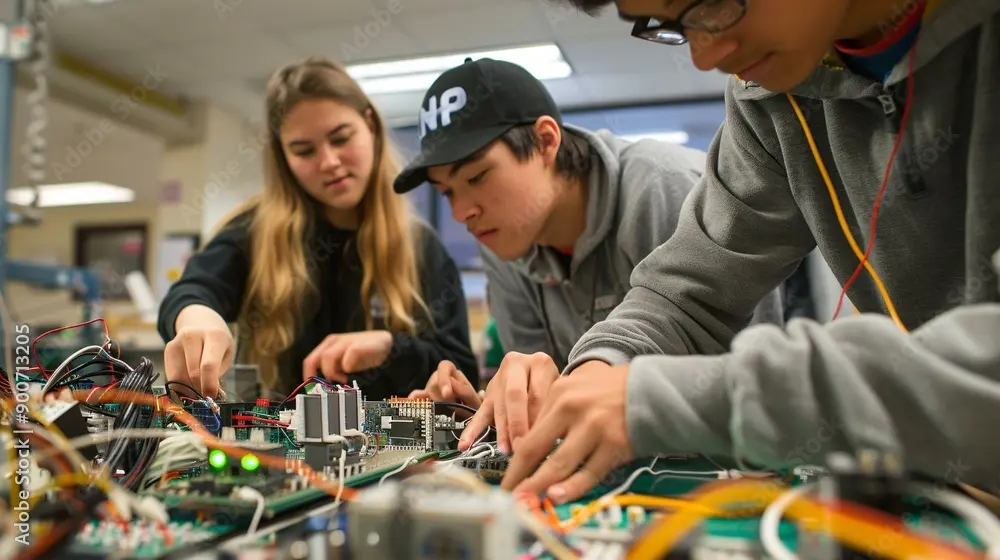
The Robotics Programming track centers on the software side of robotics, focusing on algorithms, simulation, and control strategies. Students study motion planning, kinematics, computer vision, and machine learning for robotic applications. Coursework emphasizes programming frameworks such as ROS (Robot Operating System) and real-time control software. With robotics software driving autonomy and adaptability, graduates will be prepared to work on projects in industrial automation, self-driving vehicles, and intelligent service robots. By combining strong programming skills with robotics expertise, students will play a key role in advancing the intelligence and capabilities of autonomous machines.
Robotics Control
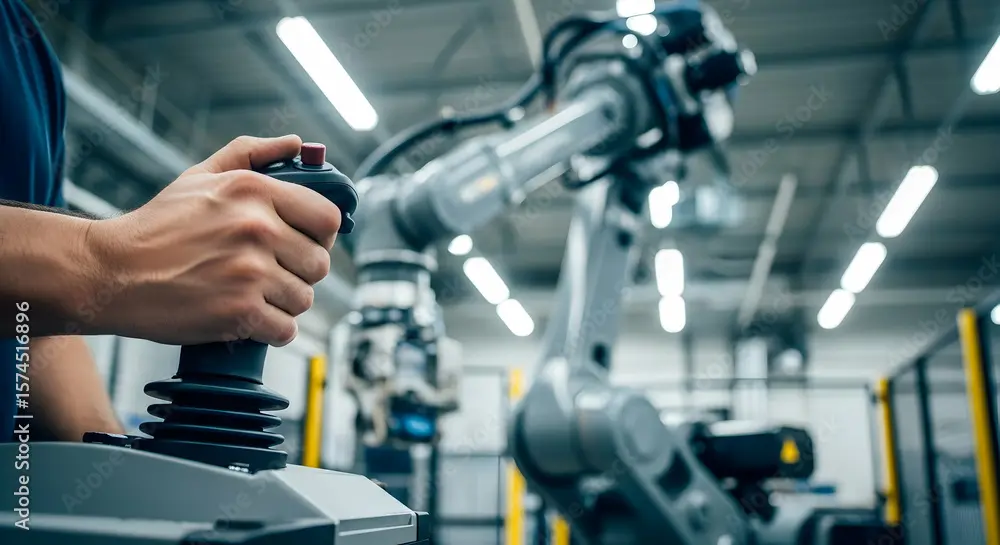
The Robotics Control track focuses on advanced techniques for managing the motion and behavior of robotic systems. Students learn control theory, feedback systems, adaptive control, and multi-robot coordination. Coursework emphasizes practical implementation through lab work and simulation, ensuring students gain both theoretical and applied skills. Applications of robotic control include precision manufacturing, medical robotics, aerial and underwater exploration, and defense. By mastering the principles of reliable and adaptive control, graduates will be prepared to design robotic systems that perform accurately and safely in dynamic environments.
Aerial Robotics
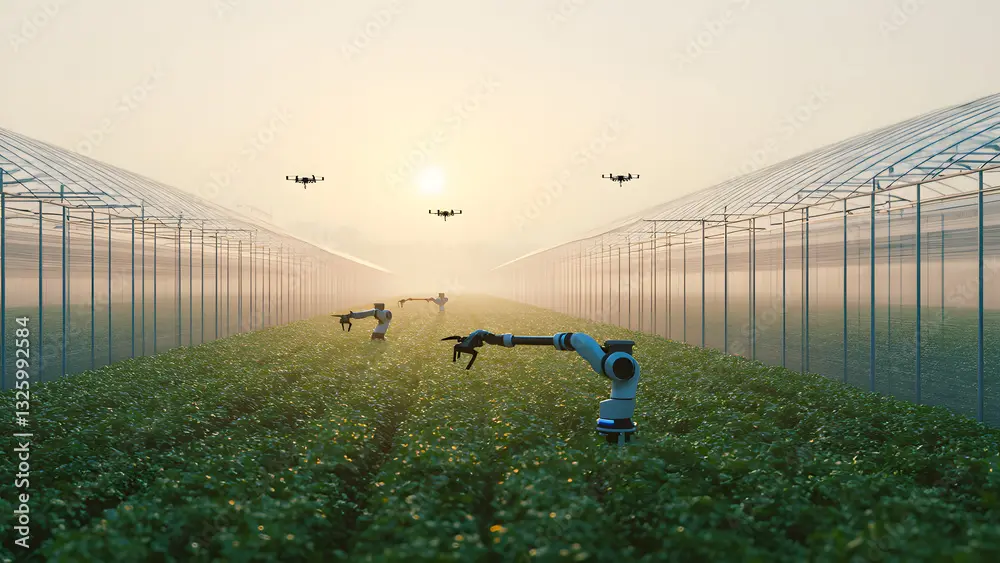
The Aerial Robotics track specializes in the study of unmanned aerial systems (UAS) and flying robots. Students learn about aerodynamics, flight control, navigation, and multi-agent coordination, alongside the use of sensors and cameras for environmental perception. Coursework emphasizes both simulation and hands-on drone projects. Applications of aerial robotics include package delivery, disaster response, precision agriculture, and environmental monitoring. With demand for autonomous aerial platforms rapidly expanding, graduates will be prepared to develop innovative solutions in a field that blends robotics, control, and aeronautical engineering.
Robotic Vision
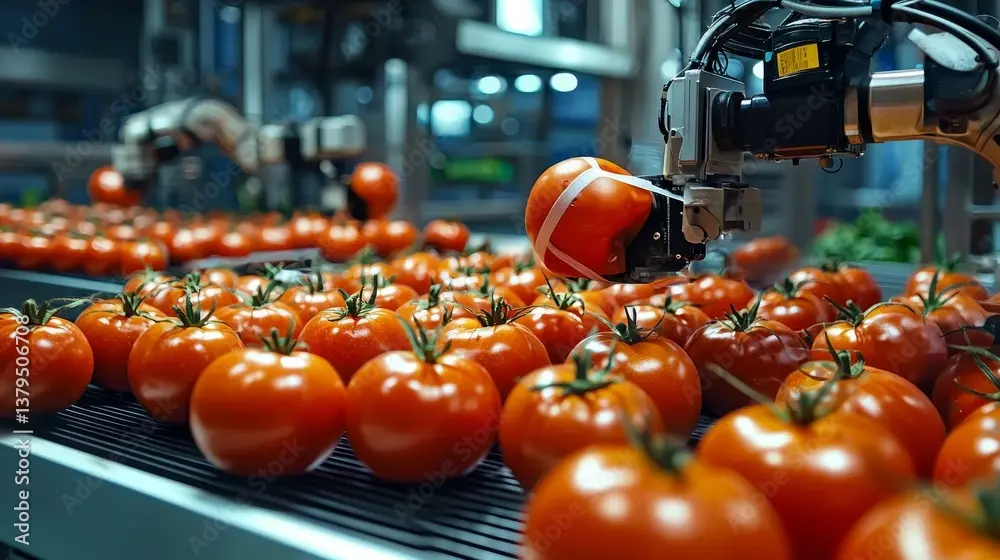
The Robotic Vision track focuses on enabling robots to perceive, interpret, and interact with their environment using advanced imaging and computer vision techniques. Students study image processing, feature detection, 3D reconstruction, and machine learning methods that allow robots to recognize objects, navigate complex spaces, and perform tasks autonomously. Coursework emphasizes both theory and hands-on implementation with modern vision frameworks. Applications of robotic vision include autonomous vehicles, manufacturing automation, medical robotics, and service robots. As vision is a critical component of intelligent behavior, graduates will be equipped to design systems that enhance autonomy, precision, and adaptability in robotics across multiple industries.