
Autonomous Systems
Automating the world around you, from self-driving cars to smart homes.

Internet Of Things
The Internet of Things track focuses on the rapidly growing ecosystem of smart, connected devices. Students learn how everyday objects—from appliances and wearables to vehicles and industrial sensors—can be enhanced with embedded processors, networking capability, and cloud-based analytics. Topics include device design, data communication protocols, cloud integration, and security considerations for interconnected systems. With IoT driving the future of smart cities, healthcare, logistics, and manufacturing, this emphasis equips students with the technical and practical skills to develop scalable and secure IoT solutions. By combining embedded systems, networking, and data science, graduates will be prepared to innovate in industries where connectivity transforms how information is gathered, shared, and applied.
Controls
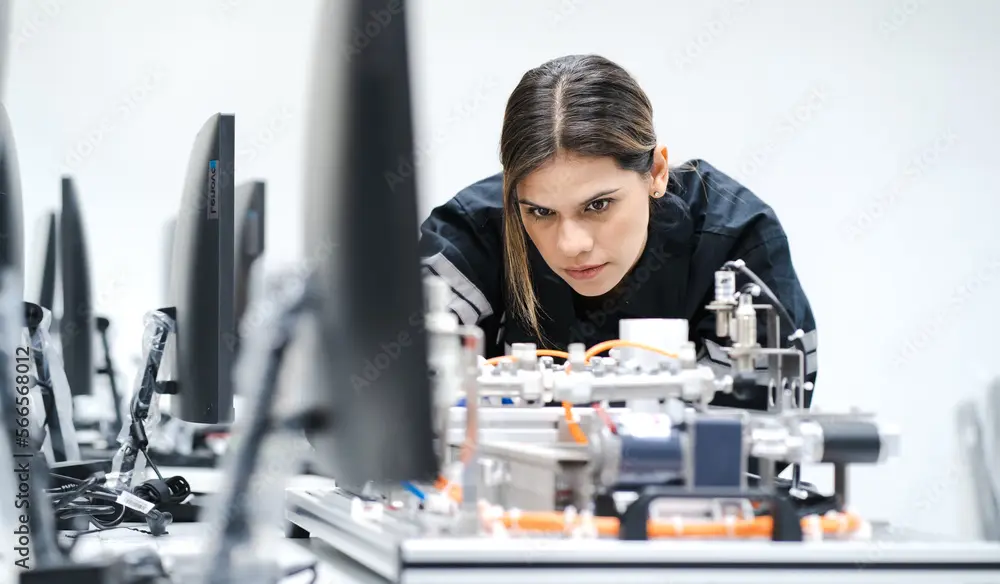
The Controls track covers the fundamental and advanced principles of feedback and automation systems. Students learn how to model, analyze, and design control systems that regulate the behavior of dynamic processes, ensuring stability, precision, and robustness. Coursework emphasizes classical and modern control theory, real-time implementation, and system optimization. Applications of control engineering are vast, ranging from robotics, aerospace, and automotive engineering to power systems and industrial automation. By mastering both theoretical and practical aspects, students will be prepared to design control strategies that enable machines and processes to adapt intelligently to changing environments and perform reliably under complex conditions.
Circuits
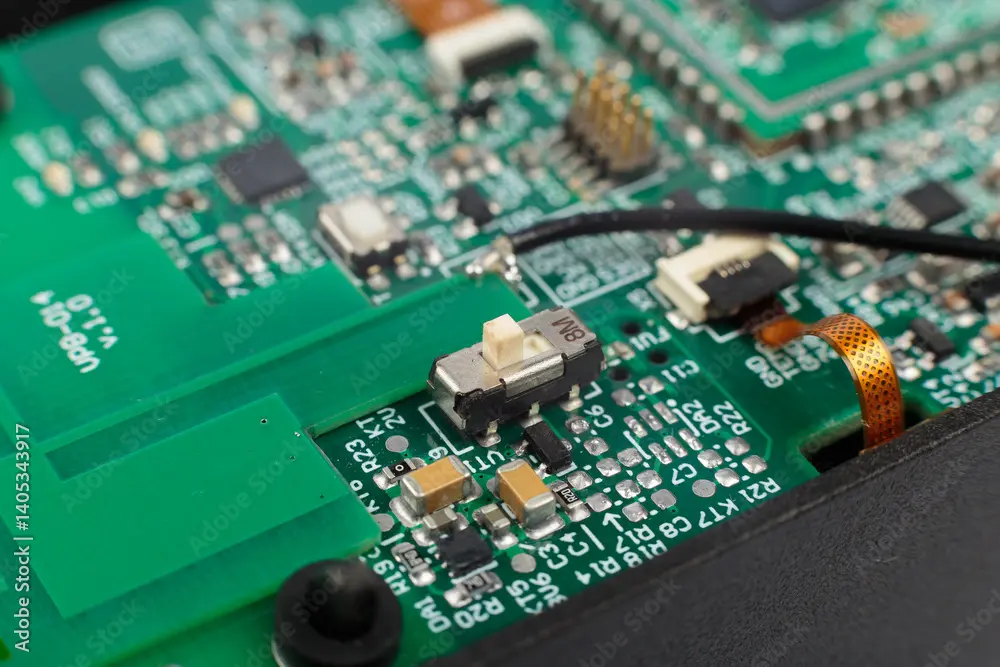
The Circuits track introduces students to the foundation of electrical and electronic engineering. Students learn to design, analyze, and implement analog and digital circuits, covering topics such as resistive and reactive components, operational amplifiers, logic circuits, and integrated systems. Emphasis is placed on understanding how circuits underpin the performance and functionality of modern technology. Practical applications include everything from consumer electronics and telecommunications to renewable energy systems and biomedical devices. Through lab-based experiences and design projects, students gain hands-on skills in circuit design and testing, preparing them for careers in industries that rely on efficient and reliable electronic systems.
Semi-Conductors
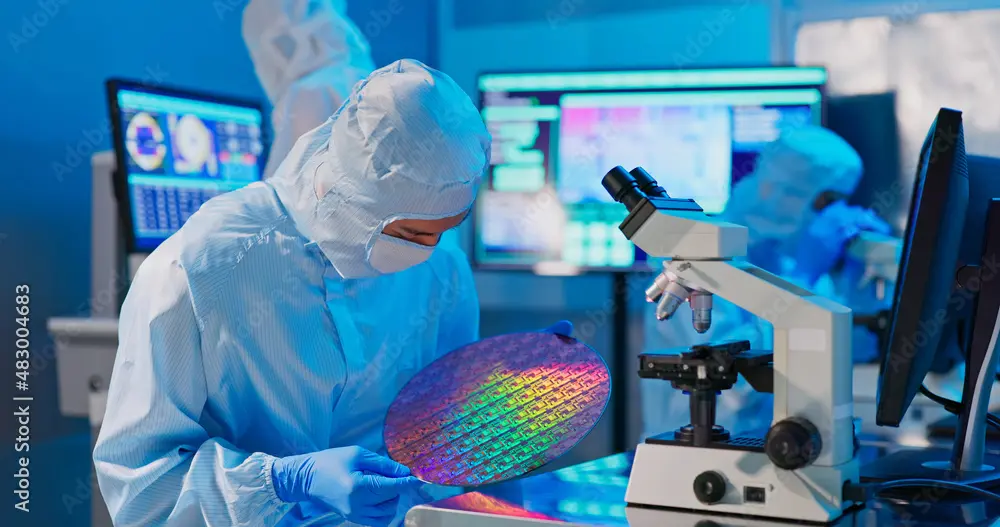
The Semiconductors track explores the physics, materials, and engineering of semiconductor devices that power modern electronics. Students study carrier transport, fabrication techniques, device structures, and the design of integrated circuits. Coursework integrates theory with laboratory experiences in device characterization and materials science. Semiconductors form the backbone of computing, communications, renewable energy, and emerging technologies like quantum computing. This emphasis prepares students to contribute to advances in microelectronics, power electronics, and photonics, ensuring they have the expertise to innovate in one of the most critical fields driving global technological progress.

Software Engineering
The Software Engineering track provides students with the principles and practices for developing large-scale, reliable, and maintainable software systems. Students study the full software development lifecycle, including requirements gathering, design, implementation, testing, and deployment. Emphasis is placed on agile methodologies, software architecture, version control, and team collaboration, preparing students to build solutions that meet both technical and user needs. This track is highly versatile, equipping graduates with skills that apply across industries such as technology, finance, healthcare, and defense. With a strong foundation in both programming and engineering design, students will be prepared to create innovative applications, optimize system performance, and adapt to evolving software tools and practices in the professional world.
Embedded Systems
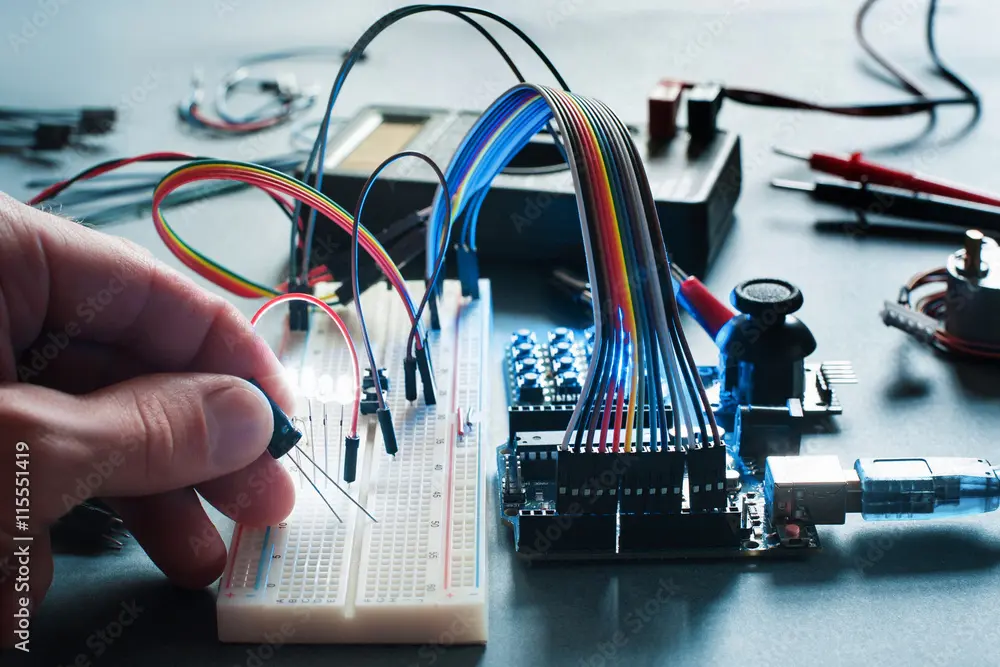
The Embedded Systems Programming track focuses on the design and development of software for microcontrollers and specialized computing devices. Students learn to work within hardware constraints, implement real-time operating systems, and program devices that interact directly with sensors and actuators. Coursework emphasizes both low-level programming and system-level integration, bridging the gap between hardware and software design. Embedded systems play a critical role in technologies ranging from consumer electronics and medical devices to automotive systems and aerospace applications. By gaining experience in both coding and hardware interfacing, students will develop the skills to create efficient, reliable, and innovative embedded solutions for a wide variety of industries.

Self-Driving Vehicles
The Self-Driving Vehicles track explores the technologies that enable autonomous transportation. Students study computer vision, sensor fusion, machine learning, and control algorithms that allow vehicles to perceive their environment, make decisions, and navigate safely. The program also addresses ethical considerations, regulatory challenges, and human–machine interaction in the development of autonomous mobility. Applications extend beyond personal cars to include trucking, public transit, agriculture, and delivery systems. With the automotive industry undergoing a major transformation, graduates of this emphasis will be prepared to contribute to cutting-edge research and development in the rapidly growing field of autonomous transportation.
Drones
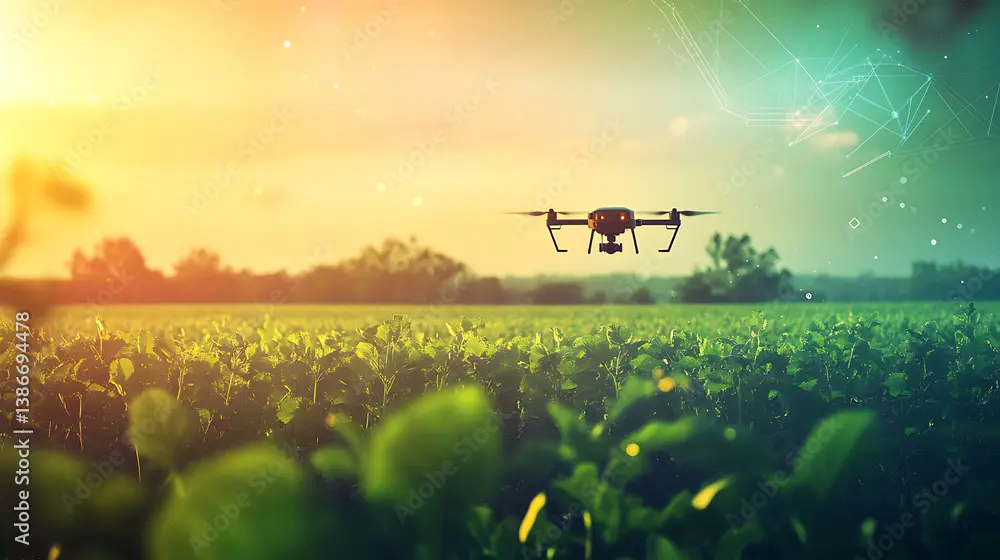
The Drones track provides students with the knowledge and skills to design, program, and operate unmanned aerial vehicles (UAVs). Coursework covers aerodynamics, flight control systems, navigation, remote sensing, and communication protocols. Students also learn about the legal and ethical considerations surrounding drone deployment in civilian, commercial, and defense contexts. Drones are increasingly used in fields such as agriculture, logistics, filmmaking, disaster response, and environmental monitoring. With hands-on projects and interdisciplinary collaboration, students gain practical experience in drone technology, preparing them for careers in industries where UAVs play a transformative role.

Smart Homes
The Smart Homes track focuses on the integration of automation, connectivity, and artificial intelligence in residential environments. Students study technologies such as IoT devices, energy management systems, home security, and smart appliances that create efficient, responsive, and sustainable living spaces. Coursework emphasizes interoperability, user experience design, and data security. With smart home adoption growing worldwide, applications extend to energy conservation, accessibility for individuals with disabilities, and improved quality of life through personalized automation. Graduates of this emphasis will be equipped to design and deploy intelligent systems that meet the evolving needs of modern households and communities.