
Energy
Exploring the technologies that power sustainable and efficient energy systems.
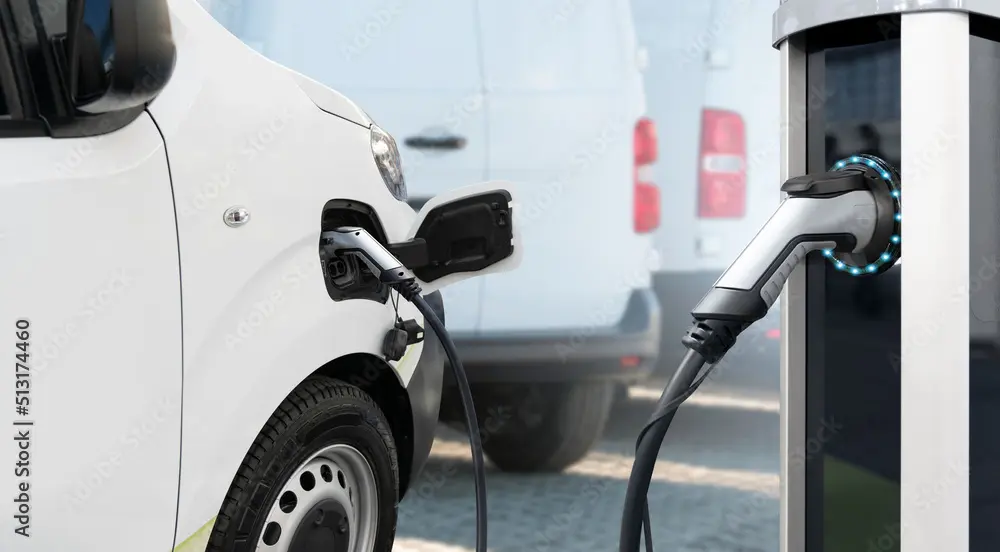
Electric Vehicles
The Electric Vehicles track explores the technologies that power sustainable transportation. Students study electric motors, battery technologies, power electronics, and control systems that enable efficient and reliable operation of electric cars, buses, and trucks. Coursework emphasizes energy storage, charging infrastructure, and integration with renewable energy sources. With electric vehicles reshaping the automotive industry, applications extend to urban mobility, logistics, and environmental sustainability. Graduates of this emphasis will be prepared to contribute to the design, optimization, and deployment of cleaner, more efficient transportation solutions.
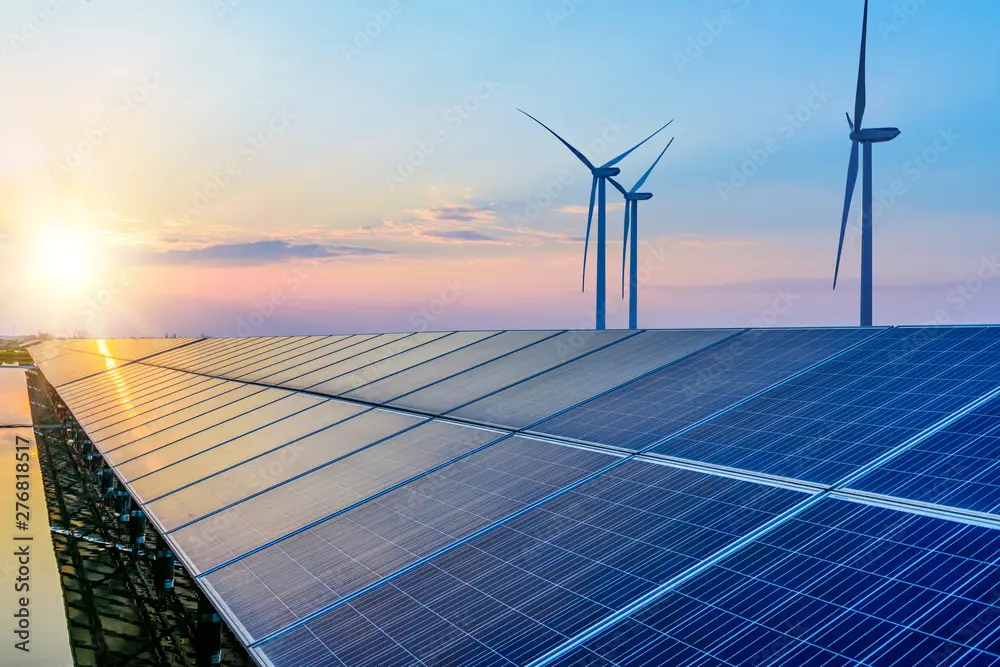
Renewable Energy
The Renewable Energy track focuses on clean energy sources such as solar, wind, geothermal, and hydropower. Students study energy conversion systems, grid integration, and storage solutions that support large-scale adoption of renewables. Coursework emphasizes sustainability, efficiency, and overcoming challenges related to variability and scalability. As the global demand for renewable energy grows, applications extend across utilities, construction, and government initiatives. Graduates will be prepared to design and implement innovative systems that reduce reliance on fossil fuels, contribute to climate goals, and ensure reliable access to sustainable power.
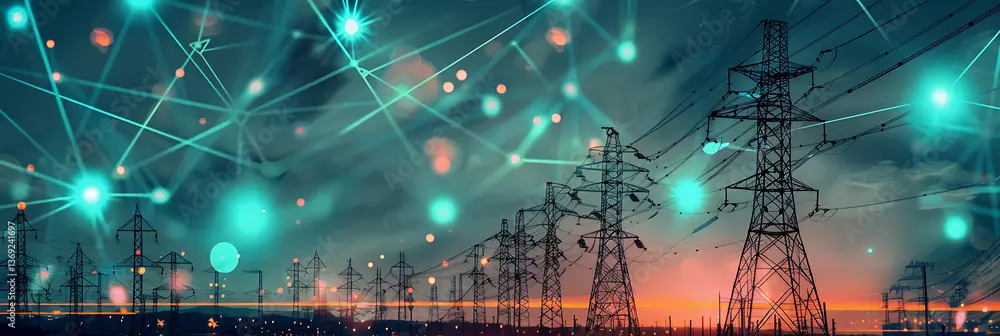
Power Distribution
The Power Distribution track explores the systems and technologies that deliver electricity from generation sources to consumers. Students study transmission lines, substations, transformers, and distribution networks, with a focus on efficiency, reliability, and safety. Coursework emphasizes smart grids, automation, and integration of renewable energy into existing infrastructure. Applications of power distribution are critical to maintaining stable and resilient electrical networks worldwide. With growing demands for electrification and modernization, graduates will be prepared to design, operate, and improve distribution systems that support both traditional and renewable energy sources.

Remote Sensing
The Remote Sensing track focuses on technologies that gather information about the Earth and its environment from a distance, using satellites, aircraft, and unmanned systems. Students study imaging systems, sensors, spectral analysis, and data interpretation techniques that provide insights into land, oceans, atmosphere, and infrastructure. Coursework emphasizes both the technical design of sensors and the computational methods used for data processing. Applications of remote sensing include environmental monitoring, disaster management, agriculture, urban planning, and defense. By mastering these technologies, graduates will be equipped to turn raw sensor data into actionable knowledge that supports decision-making in science, industry, and government.
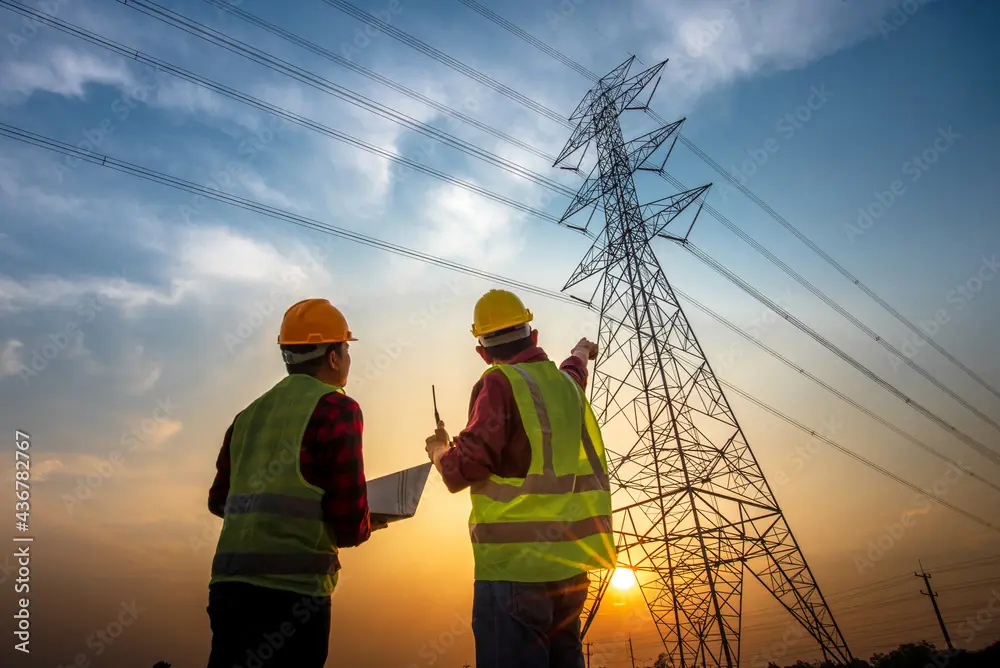
Power Grid
The Power Grid track explores the infrastructure and technologies that make large-scale electricity delivery possible. Students study transmission networks, substations, load management, and fault detection, with an emphasis on modernization through smart grid technology. Coursework emphasizes grid stability, resilience, and integration of renewable energy sources. As global electrification expands, maintaining reliable and secure power grids has become increasingly critical. Graduates of this emphasis will be prepared to contribute to grid modernization, renewable integration, and energy management strategies that ensure continuous and efficient electricity distribution.
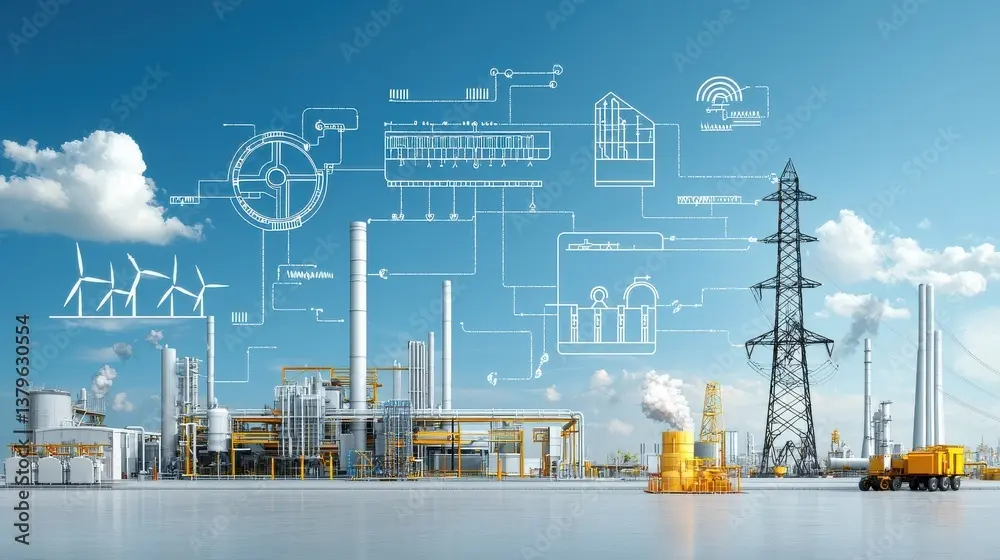
Power Systems
The Power Systems track provides a comprehensive study of the generation, transmission, and utilization of electrical power. Students explore system modeling, stability analysis, power flow, and fault response, with coursework emphasizing both traditional systems and emerging technologies. Emphasis is also placed on sustainability and the transition toward cleaner energy sources. Applications extend across utilities, industrial power management, transportation, and renewable integration. With growing global reliance on electricity, graduates will be prepared to design and operate complex power systems that are reliable, efficient, and capable of supporting future energy demands.